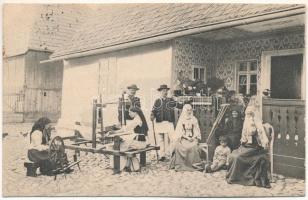
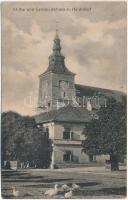
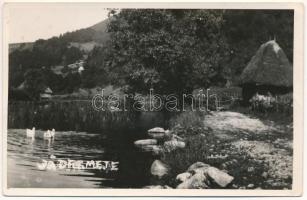
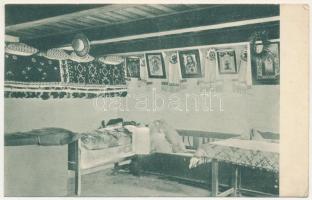
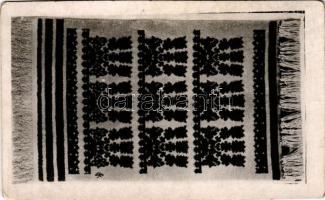
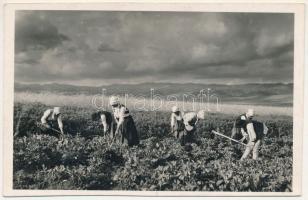
Kalotaszeg, Tara Calatei; magyar szőnyeg, subafehér alapon piros virágokkal. Kiss Béla okl. iparművész, szőnyegjavító bélyegzője a hátoldalon. / Hungarian tapestry, folklore. photo (fl)
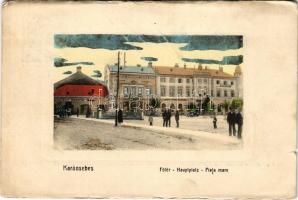
1909 Karánsebes, Caransebes; Fő utca, Reisz B. üzlete. Halász Nándor kiadása / Hauptgasse / Strada principala / main street, shops (ázott / wet damage)
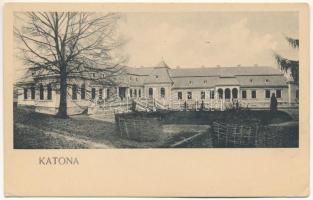
Katona, Catina; Logothetti-kúria, kastély / castle, mansion (EK)
A bizánci származású nemes Logothetti-család tagjai között számos tisztségviselő, katonatiszt és földbirtokos volt. A családnak a Mezőségen, a Pusztakamarás melletti Katona községben és Kolozsváron is voltak birtokaik. A catinai épületnek nem ismerjük a pontos építési dátumát, de a korabeli írott adatok alapján 1880-ban már a Logothetti család otthona volt.
Az utolsó Logothetti-leszármazott, Logothetti Zoltán 1991-es halála után a kastély házasság révén az Ugron-családra szállt. Jelenleg romos állapotban van, az eredeti épülettömb kb. 40%-a áll, lakatlanul.
//
The noble Logothetti family of Byzantine origin included many officials, military officers and landowners. The family also had estates in Câmpia Transilvaniei, in the village of Katona near Cămăra?u and in Cluj. The exact date of construction of the building in Catina is unknown, but according to contemporary written records, it was already the home of the Logothetti family in 1880.
After the death of the last Logothetti descendant, Zoltán Logothetti, in 1991, the castle passed to the Ugron family through marriage. It is currently in ruins, with about 40% of the original building block standing, uninhabited.
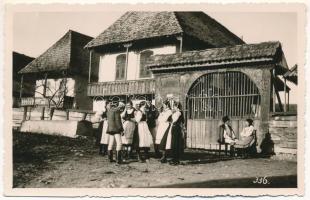
Kecsetkisfalud, Satu Mic; Székely kapu előtt népviseletbe öltözött helyi lakosok. Kováts István felvétele / local people in folk costumes in front of the traditional Szekler wooden carved gate. photo (EK)